Weaving invisible signals into traditional textiles in the Yaeyama Islands
Ocean of Waves develops textile and plant-based wave detectors combining soft materials with electronics. Interweaving Earth’s resonance and deep space radiations, these soft sensors capture the radio waves and electromagnetic fields that penetrate the Yaeyama Archipelago.
Ocean of Waves is an ongoing artistic research project exploring the invisible electromagnetic, atmospheric and cosmic signals that permeate our environments. The project develops textile and plant-based wave detectors combining soft materials with electronics. Interweaving Earth’s resonance and deep-space radiation, these soft sensors collect radio waves and electromagnetic fields and translate them into visual, sonic and material forms.
Initiated during a residency at MA Umi on Ishigaki from mid-March to mid-April 2026, the project investigates the specific environmental conditions of the Yaeyama Islands. Their tropical location, strong oceanic presence and relatively low electromagnetic pollution create a particularly rich environment for recording natural electromagnetic phenomena.
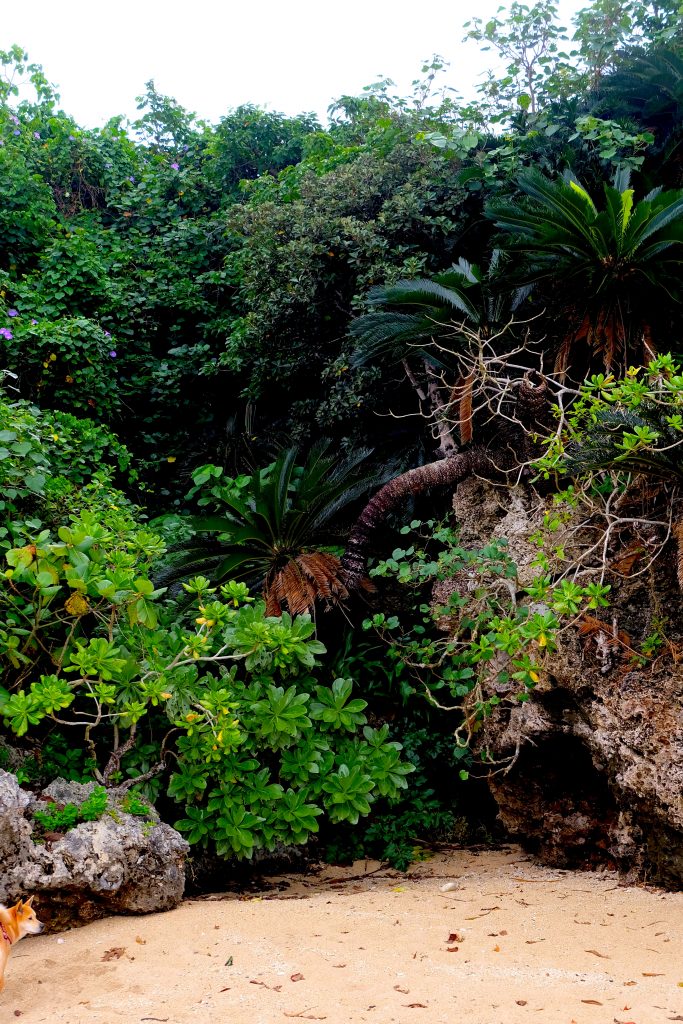
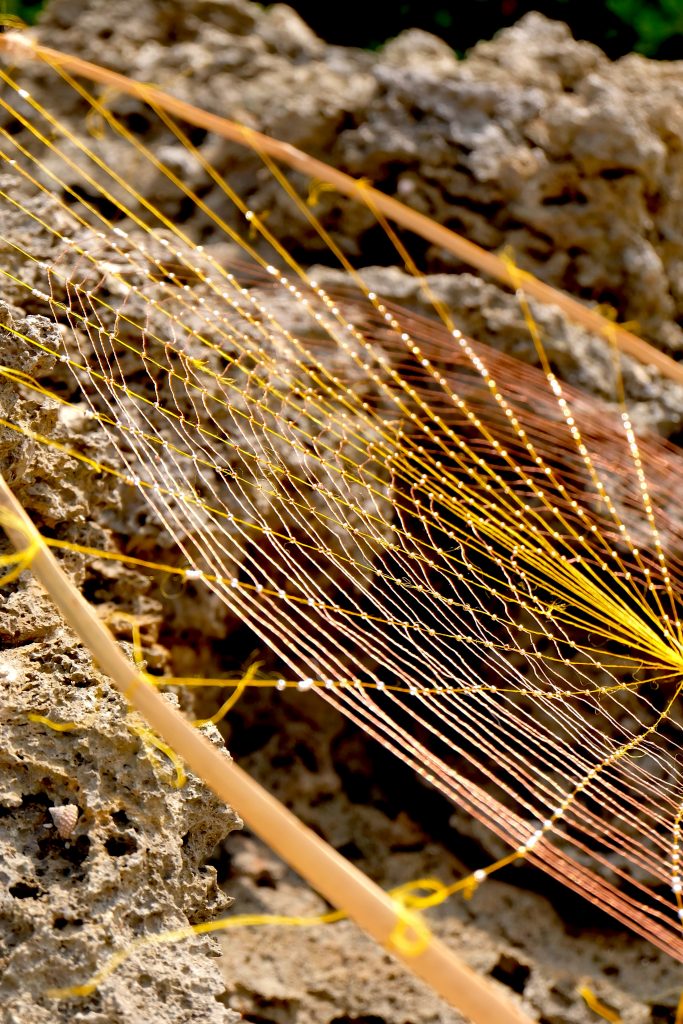
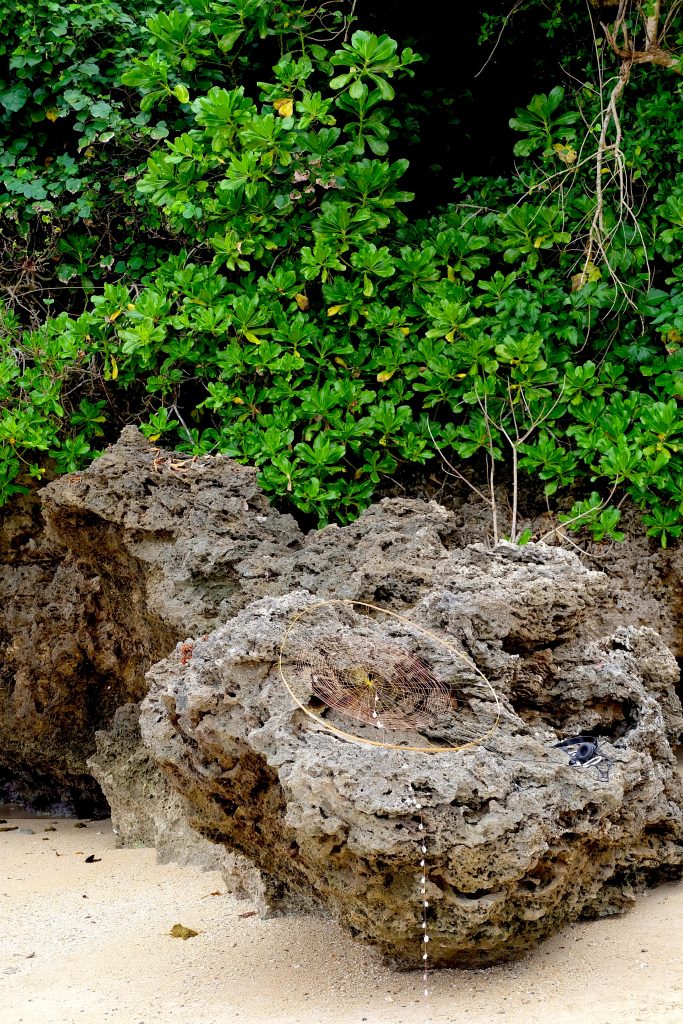

Using handmade antennas made of bamboo, ramie, copper, and woven plant fibres, I record Very Low Frequency (VLF) signals produced naturally by the Earth and ionosphere. These include sferics caused by distant tropical lightning storms across Southeast Asia, tweeks and low-latitude whistlers, as well as the “dawn chorus,” a phenomenon occurring when the first sunlight reaches the ionosphere at sunrise. The region’s proximity to the Equatorial Ionospheric Anomaly amplifies these phenomena. In many field recordings, the ocean itself is used as a grounding reference, allowing the antennas to capture subtle atmospheric variations in relation to the sea. Beyond natural signals, the project also investigates invisible communication infrastructures crossing the islands: radio transmissions, weather stations, military signals, satellites and other technological emissions.